
2026-10-24 · Michael 'Mike' Chen
How Newark Homes Handle Pipe Freezes Near The University Of Delaware
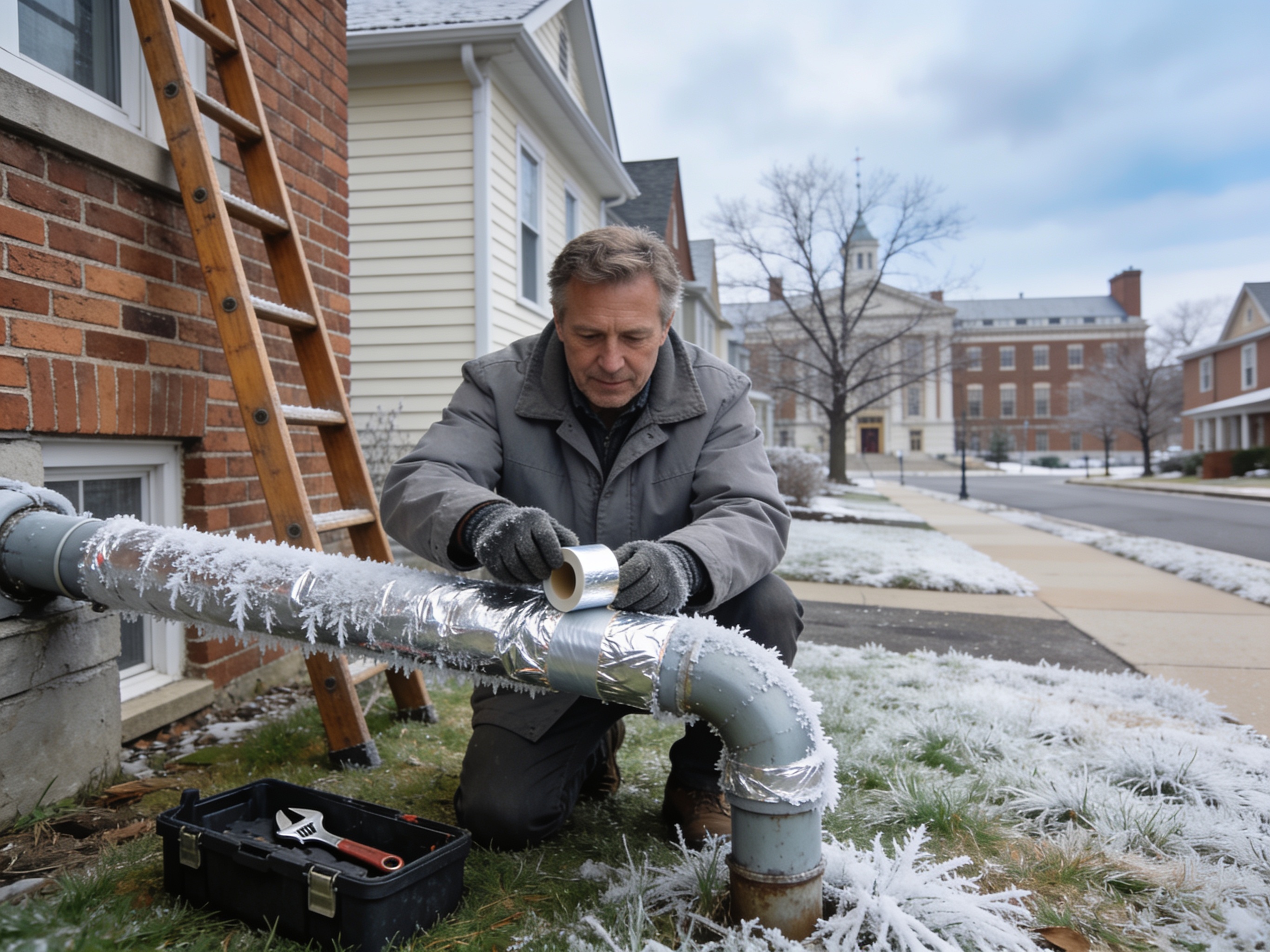
Newark homes, particularly the older housing stock found in areas like Downtown Newark and near the University of Delaware, typically handle pipe freezes through a combination of homeowner vigilance, proactive insulation measures, and, unfortunately, often through emergency repairs after a burst. Many of these properties, some dating back to the early 20th century, were built before modern insulation standards were common, leaving pipes in unheated basements, crawl spaces, and exterior walls vulnerable when New Castle County's humid subtropical climate delivers cold winters. While modern homes often incorporate better pipe protection, older residences frequently require specific attention to prevent costly water damage, which can range from a few hundred dollars for minor leaks to thousands for extensive flooding requiring professional water damage restoration.
Understanding Newark's Winter Vulnerabilities
Newark experiences a humid subtropical climate, which means while summers are hot, winters can be genuinely cold, with temperatures often dipping well below freezing. This fluctuating weather, especially sudden cold snaps, poses a significant risk to plumbing systems. Homes in neighborhoods like West Newark and Hillside Heights, often older and with less updated infrastructure, are particularly susceptible. Basements and crawl spaces, common in these areas, frequently lack adequate heating or insulation around water lines. Additionally, homes closer to open areas like White Clay Creek State Park or the Newark Reservoir might experience colder microclimates, increasing the risk of exposed pipes freezing. The age of the plumbing itself also plays a role; older galvanized steel or copper pipes can be more brittle and prone to bursting when water inside them freezes and expands.
Common Locations for Frozen Pipes in Newark Homes
Identifying where pipes are most likely to freeze is the first step in prevention. In Newark, several areas within a home are consistently problematic. These include pipes running through unheated crawl spaces, often found in homes in South Newark, and those in exterior walls, particularly on north-facing sides that receive less direct sunlight. Utility rooms, where water lines enter the house, and laundry rooms with connections to exterior walls, are also high-risk spots. Homes near the University of Delaware, many of which are older student rentals, often have plumbing that hasn't been updated in decades, making these vulnerabilities even more pronounced. Even well-maintained homes can have exposed pipes in garages or garden hose spigots that, if not properly drained and insulated, can lead to significant issues when winter truly sets in across New Castle County.
Signs of a Frozen Pipe and Immediate Actions
The most obvious sign of a frozen pipe is a lack of water flow from a faucet during freezing temperatures. You might also notice frost on exposed pipes, or hear a faint banging noise as ice expands. If you suspect a frozen pipe but it hasn't burst yet, immediate action can prevent extensive damage. First, locate the suspected frozen section. If accessible, you can try to thaw it gently using a hairdryer or heat lamp, never an open flame. Open the faucet connected to the pipe to allow water to flow as the ice melts. If the pipe has already burst, turn off the main water supply to your home immediately. The main shut-off valve is usually located in the basement, crawl space, or near the water meter outside. After shutting off the water, it's critical to begin emergency water extraction to mitigate damage.
The Aftermath: Water Damage Restoration in Newark
Once a pipe bursts, the resulting water damage can be extensive, especially in older Newark homes with absorbent materials like plaster and wood. Water can quickly saturate insulation, drywall, flooring, and even structural elements. This is where professional burst pipe water damage restoration becomes essential. Our team, based right here at 81 E Park Place, Newark, DE 19711, understands the unique challenges posed by Newark's housing stock and climate. We focus on rapid water removal, thorough drying, and dehumidification to prevent secondary damage like mold growth. The process often involves specialized equipment, including industrial-grade dehumidifiers and air movers, to ensure all hidden moisture is eliminated. For more insights into dealing with water issues, consider reading our article on What To Do After Heavy Rain Floods Basements In Newark Delaware.
Preventing Frozen Pipes: Local Strategies
Preventing frozen pipes in Newark homes requires a proactive approach tailored to our local conditions. During cold snaps, especially when temperatures are predicted to drop below 20°F, let faucets drip slightly to keep water moving through pipes. Insulate exposed pipes in unheated areas like basements, crawl spaces, and attics using foam pipe insulation sleeves, readily available at local hardware stores. Seal any cracks or openings in exterior walls or foundations that allow cold air to reach pipes. For homes near landmarks like the Bob Carpenter Center or the University of Delaware, where older buildings are common, ensuring proper heating in all areas of the house, even rarely used rooms, can make a significant difference. Disconnect and drain outdoor hoses, and turn off the water supply to outside spigots before winter arrives. These simple steps can save homeowners thousands of dollars in potential repairs and prevent the disruption caused by a burst pipe.